2026 Country Kitchen Concepts: Where Rustic Charm Meets Modern Living
Country kitchens have always held a special place in our hearts, embodying warmth, comfort, and the timeless appeal of simpler living. As we move through 2026, this beloved aesthetic is experiencing a thoughtful evolution—one that honors its rustic roots while embracing contemporary functionality and refined European influences. Today’s country kitchens prove that charm and sophistication can coexist beautifully, creating spaces that feel both lived-in and carefully curated.
The Evolution of Modern Farmhouse Style
While the heavily themed farmhouse kitchens of recent years are fading, the essence of country style remains stronger than ever. The shift is toward what designers call “modern rustic”—a more elevated interpretation that trades obvious barn doors and excessive shiplap for subtle nods to heritage and craftsmanship. This refined approach incorporates natural textures and vintage elements without feeling like a staged set, creating kitchens that are genuinely livable rather than merely photogenic.
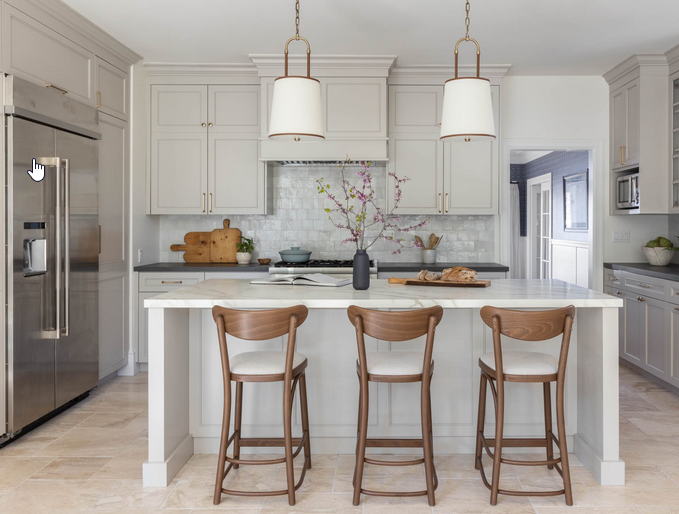
The color palette has matured considerably. Gone are the days when farmhouse meant exclusively bright white surfaces. Instead, designers are embracing earthy greens, soft sages, deep charcoals, and warm creamy whites that bring depth and character to spaces. These nature-inspired hues create a sense of calm while providing visual interest that pure white simply cannot match. When paired with natural wood tones, these colors achieve the perfect balance between freshness and warmth.
European Influence Transforms Country Design
Perhaps the most exciting development in country kitchens involves drawing inspiration from continental Europe, particularly Belgian and French design traditions. These influences bring an understated elegance that feels both sophisticated and approachable. Think weathered wood tables, hand-thrown pottery, limestone flooring, and curved architectural details like arched doorways that soften the overall aesthetic.
The concept of unfitted kitchens—long popular in the United Kingdom—is gaining significant traction in American homes. Rather than wall-to-wall built-in cabinetry, unfitted kitchens incorporate freestanding pieces that appear collected over time. A vintage hutch here, a standalone pantry cabinet there, perhaps a wooden table serving as an island—these elements create a kitchen that feels personal and unique rather than catalog-perfect. This approach celebrates individual pieces and allows your kitchen to tell a story of gathered treasures and meaningful finds.
Essential Elements That Define the Look
Certain features remain central to achieving an authentic country kitchen aesthetic. The farmhouse sink, with its deep basin and exposed front apron, continues to serve as a showstopping focal point. When paired with brass or gunmetal hardware, it anchors the space with both beauty and functionality. These deep sinks aren’t just visually appealing—they’re genuinely practical for washing large pots and handling everyday kitchen tasks.
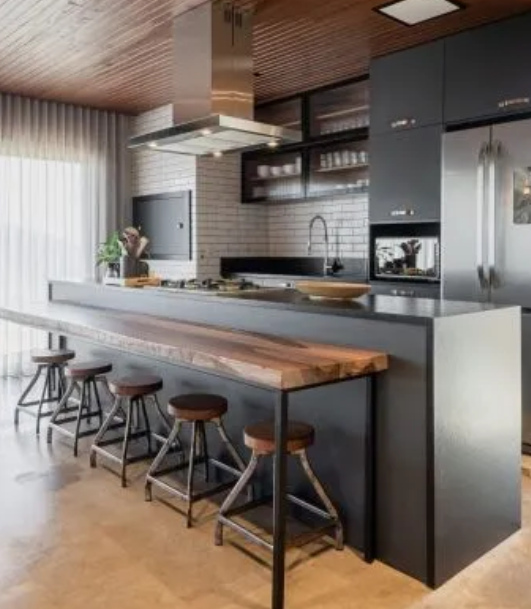
Butcher block countertops bring irreplaceable warmth and texture to country kitchens. Whether used throughout the entire space or reserved for a central island, these wood surfaces develop a beautiful patina over time that actually improves their character. They pair exceptionally well with white or light-colored cabinets and can be combined with more durable materials like granite or quartzite for main work surfaces.
Wood beams—whether reclaimed or newly installed—add architectural interest and draw the eye upward, making spaces feel both grander and cozier simultaneously. These structural elements work beautifully in both traditional farmhouses and modern homes seeking to incorporate country character. The key is ensuring they feel integral to the architecture rather than merely decorative additions.
Balancing Openness with Practicality
Open shelving has been somewhat controversial in recent kitchen design discussions, with some declaring it impractical. The 2026 approach offers a middle ground: incorporate open shelving thoughtfully rather than extensively. A few floating shelves displaying beautiful dishware, vintage bowls, or collected pottery adds personality and visual breathing room without creating overwhelming maintenance demands. This selective approach gives you the opportunity to showcase meaningful pieces while keeping most items tucked away in closed cabinetry.
The unfitted furniture concept extends this philosophy. Rather than forcing everything to match perfectly, mixing freestanding pieces with built-in elements creates visual variety and allows for future flexibility. A vintage wooden table can serve as a kitchen island, providing both workspace and gathering space while contributing authentic character that new construction simply cannot replicate.
Lighting and Hardware as Jewelry
In country kitchens, lighting serves as more than mere illumination—it becomes sculptural art. Rattan pendant lights suspended above islands bring woven texture and natural warmth, creating instant visual interest against neutral backgrounds. Mixing different pendant styles—perhaps combining black rattan with natural woven pieces—creates a collected appearance that feels authentic rather than overly coordinated.
Hardware choices have become more adventurous and personal. Rather than matching every knob and pull precisely, the current philosophy treats hardware as jewelry for your cabinets. Warm metallics like brass and bronze are replacing the overdone matte black of recent years, adding richness and depth. Gunmetal finishes offer a contemporary edge that pairs beautifully with both light and dark cabinetry, while brushed and satin sheens have replaced high-polish finishes for a more sophisticated, less flashy appearance.
Color Choices That Create Atmosphere
Beyond the soft whites and creamy neutrals that form the foundation of many country kitchens, bolder accent colors are finding their place. Sage green cabinetry brings natural tranquility, while deeper forest greens or navy blues create dramatic contrast when used on islands or lower cabinets. Soft gray-blues evoke coastal charm, making spaces feel relaxed and inviting even far from any shore.
The key is using color intentionally rather than overwhelming the space. Two-tone designs—perhaps pairing warm white upper cabinets with a wood-toned or colored island—create visual definition while maintaining the overall sense of light and airiness that country kitchens are known for. Accent colors can also be introduced through barstools, rugs, or decorative elements rather than permanent cabinetry if you prefer flexibility.
Creating Your Country Kitchen Haven
As you consider bringing country style into your own kitchen, remember that authenticity matters more than adherence to any specific checklist. The most successful country kitchens reflect the personalities and lifestyles of the people who use them daily. Choose elements that genuinely resonate with you—whether that’s a collection of vintage pottery, a family heirloom table, or simply the warm glow of natural wood against crisp white cabinets.
The beauty of country kitchen design in 2026 lies in its flexibility and warmth. This style welcomes you home, invites conversation over coffee at the island, and gracefully handles the mess of daily life. It’s sophisticated enough for entertaining yet comfortable enough for weekday mornings in pajamas. By blending rustic charm with modern convenience, natural materials with thoughtful technology, and personal treasures with practical necessities, you can create a country kitchen that honors tradition while serving contemporary needs—a space where heritage and hospitality come together in perfect harmony.