
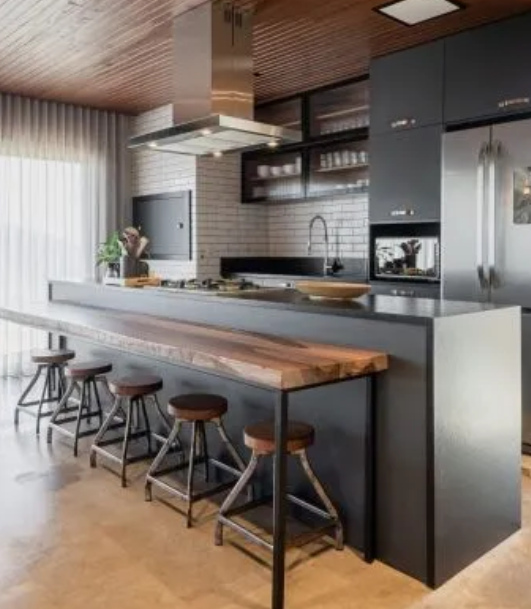
2026 Country Kitchen Concepts: Where Rustic Charm Meets Modern Living

Country kitchens have always held a special place in our hearts, embodying warmth, comfort, and the timeless appeal of simpler living. As we move through 2026, this beloved aesthetic is experiencing a thoughtful evolution—one that honors its rustic roots while embracing contemporary functionality and refined European influences. Today’s country kitchens prove that charm and sophistication can coexist beautifully, creating spaces that feel both lived-in and carefully curated.
The Evolution of Modern Farmhouse Style
While the heavily themed farmhouse kitchens of recent years are fading, the essence of country style remains stronger than ever. The shift is toward what designers call “modern rustic”—a more elevated interpretation that trades obvious barn doors and excessive shiplap for subtle nods to heritage and craftsmanship. This refined approach incorporates natural textures and vintage elements without feeling like a staged set, creating kitchens that are genuinely livable rather than merely photogenic.
The color palette has matured considerably. Gone are the days when farmhouse meant exclusively bright white surfaces. Instead, designers are embracing earthy greens, soft sages, deep charcoals, and warm creamy whites that bring depth and character to spaces. These nature-inspired hues create a sense of calm while providing visual interest that pure white simply cannot match. When paired with natural wood tones, these colors achieve the perfect balance between freshness and warmth.
European Influence Transforms Country Design
Perhaps the most exciting development in country kitchens involves drawing inspiration from continental Europe, particularly Belgian and French design traditions. These influences bring an understated elegance that feels both sophisticated and approachable. Think weathered wood tables, hand-thrown pottery, limestone flooring, and curved architectural details like arched doorways that soften the overall aesthetic.
The concept of unfitted kitchens—long popular in the United Kingdom—is gaining significant traction in American homes. Rather than wall-to-wall built-in cabinetry, unfitted kitchens incorporate freestanding pieces that appear collected over time. A vintage hutch here, a standalone pantry cabinet there, perhaps a wooden table serving as an island—these elements create a kitchen that feels personal and unique rather than catalog-perfect. This approach celebrates individual pieces and allows your kitchen to tell a story of gathered treasures and meaningful finds.
Essential Elements That Define the Look
Certain features remain central to achieving an authentic country kitchen aesthetic. The farmhouse sink, with its deep basin and exposed front apron, continues to serve as a showstopping focal point. When paired with brass or gunmetal hardware, it anchors the space with both beauty and functionality. These deep sinks aren’t just visually appealing—they’re genuinely practical for washing large pots and handling everyday kitchen tasks.
Butcher block countertops bring irreplaceable warmth and texture to country kitchens. Whether used throughout the entire space or reserved for a central island, these wood surfaces develop a beautiful patina over time that actually improves their character. They pair exceptionally well with white or light-colored cabinets and can be combined with more durable materials like granite or quartzite for main work surfaces.
Wood beams—whether reclaimed or newly installed—add architectural interest and draw the eye upward, making spaces feel both grander and cozier simultaneously. These structural elements work beautifully in both traditional farmhouses and modern homes seeking to incorporate country character. The key is ensuring they feel integral to the architecture rather than merely decorative additions.
Balancing Openness with Practicality
Open shelving has been somewhat controversial in recent kitchen design discussions, with some declaring it impractical. The 2026 approach offers a middle ground: incorporate open shelving thoughtfully rather than extensively. A few floating shelves displaying beautiful dishware, vintage bowls, or collected pottery adds personality and visual breathing room without creating overwhelming maintenance demands. This selective approach gives you the opportunity to showcase meaningful pieces while keeping most items tucked away in closed cabinetry.
The unfitted furniture concept extends this philosophy. Rather than forcing everything to match perfectly, mixing freestanding pieces with built-in elements creates visual variety and allows for future flexibility. A vintage wooden table can serve as a kitchen island, providing both workspace and gathering space while contributing authentic character that new construction simply cannot replicate.
Lighting and Hardware as Jewelry
In country kitchens, lighting serves as more than mere illumination—it becomes sculptural art. Rattan pendant lights suspended above islands bring woven texture and natural warmth, creating instant visual interest against neutral backgrounds. Mixing different pendant styles—perhaps combining black rattan with natural woven pieces—creates a collected appearance that feels authentic rather than overly coordinated.
Hardware choices have become more adventurous and personal. Rather than matching every knob and pull precisely, the current philosophy treats hardware as jewelry for your cabinets. Warm metallics like brass and bronze are replacing the overdone matte black of recent years, adding richness and depth. Gunmetal finishes offer a contemporary edge that pairs beautifully with both light and dark cabinetry, while brushed and satin sheens have replaced high-polish finishes for a more sophisticated, less flashy appearance.
Color Choices That Create Atmosphere
Beyond the soft whites and creamy neutrals that form the foundation of many country kitchens, bolder accent colors are finding their place. Sage green cabinetry brings natural tranquility, while deeper forest greens or navy blues create dramatic contrast when used on islands or lower cabinets. Soft gray-blues evoke coastal charm, making spaces feel relaxed and inviting even far from any shore.
The key is using color intentionally rather than overwhelming the space. Two-tone designs—perhaps pairing warm white upper cabinets with a wood-toned or colored island—create visual definition while maintaining the overall sense of light and airiness that country kitchens are known for. Accent colors can also be introduced through barstools, rugs, or decorative elements rather than permanent cabinetry if you prefer flexibility.
Creating Your Country Kitchen Haven
As you consider bringing country style into your own kitchen, remember that authenticity matters more than adherence to any specific checklist. The most successful country kitchens reflect the personalities and lifestyles of the people who use them daily. Choose elements that genuinely resonate with you—whether that’s a collection of vintage pottery, a family heirloom table, or simply the warm glow of natural wood against crisp white cabinets.
The beauty of country kitchen design in 2026 lies in its flexibility and warmth. This style welcomes you home, invites conversation over coffee at the island, and gracefully handles the mess of daily life. It’s sophisticated enough for entertaining yet comfortable enough for weekday mornings in pajamas. By blending rustic charm with modern convenience, natural materials with thoughtful technology, and personal treasures with practical necessities, you can create a country kitchen that honors tradition while serving contemporary needs—a space where heritage and hospitality come together in perfect harmony.
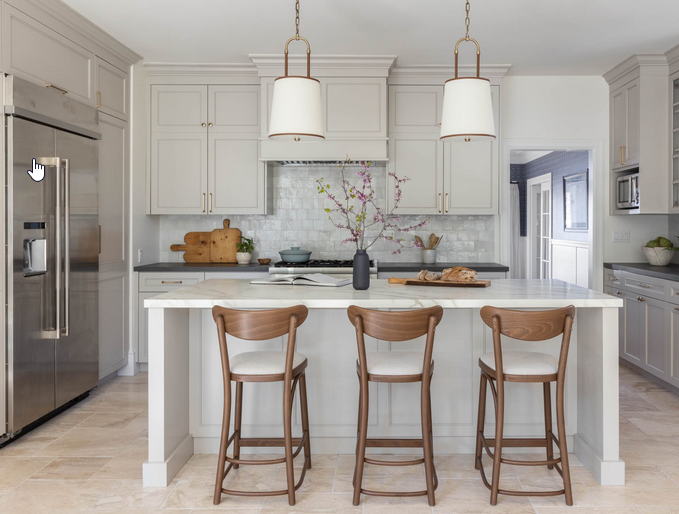
2026 Kitchen Remodeling: Creating Spaces That Reflect Modern Living

The kitchen has evolved far beyond its traditional role as simply a place to prepare meals. In 2026, homeowners are reimagining this essential space as the true heart of the home—a hub for connection, creativity, and sustainable living. Whether you’re planning a complete renovation or considering strategic updates, understanding the design movements shaping this year’s kitchens will help you create a space that’s both beautiful and functional for years to come.
The Philosophy Behind 2026 Kitchen Design
This year’s approach to kitchen remodeling centers on what designers call “warm minimalism.” Gone are the days of cold, sterile minimalist spaces. Instead, homeowners are embracing simplified layouts with soft edges and neutral palettes that promote calm and order, while incorporating natural materials that bring warmth and character. The result is a kitchen that feels both uncluttered and welcoming—a space that invites you to linger.
The shift toward warm minimalism reflects broader changes in how we live. With many people spending more time at home, the kitchen has become a multi-functional space that needs to support everything from meal preparation to remote work to family gatherings. This versatility demands thoughtful design that balances aesthetics with practicality.
Material Choices That Make an Impact
Natural materials are taking center stage in 2026 kitchen remodels. Wood grain finishes are surpassing painted cabinets in popularity, with white oak emerging as the top choice among homeowners. These natural wood accents bring organic texture and visual warmth that synthetic materials simply cannot replicate.
For countertops, the landscape is shifting dramatically. While bright white surfaces dominated in recent years, homeowners are now gravitating toward stones with character and depth. Honed travertine and leathered limestone are replacing highly polished finishes, offering a more tactile, lived-in aesthetic. Perhaps most notably, green stone countertops are making a major statement—providing visual interest while remaining surprisingly versatile as they pair well with both traditional and contemporary elements.
Quartzite is also gaining traction as a durable alternative that offers the beauty of natural stone with enhanced performance. For those seeking something truly distinctive, dramatic marble with bold veining patterns creates room-defining focal points, especially when installed as book-matched pieces that mirror natural patterns across an island or backsplash.
Cabinet Design: Function Meets Elegance
Cabinetry continues to define a kitchen’s personality, and 2026 brings exciting options for every style preference. Frameless, handle-free designs with touch-to-open systems deliver clean, uninterrupted lines that exemplify modern minimalism. These sleek cabinets create visual flow and make spaces feel larger and more cohesive.
Meanwhile, traditional elements are making a refined comeback. Raised panel doors—more ornate than the flat slabs that dominated recent years—are being welcomed back into kitchen design. When styled appropriately, these detailed cabinet fronts work beautifully in everything from cottage-core kitchens to timeless modern organic spaces.
Color-wise, beige, cream, and taupe tones are leading the pack for painted cabinets. These warm neutrals provide a sophisticated alternative to stark white while maintaining versatility. For those seeking more character, sage green and other nature-inspired hues offer opportunities to introduce personality without overwhelming the space. Two-tone designs pairing dark wood islands with lighter upper cabinets create architectural interest and define zones within open-plan layouts.
Smart Design Decisions for Lasting Value
Successful kitchen remodeling in 2026 goes beyond following trends—it requires strategic planning that considers how you actually use the space. Focus on creating efficient workflow zones for preparation, cooking, and cleaning that flow naturally from one to another. Vertical storage solutions, pull-out shelving, and hidden compartments maximize functionality while maintaining the clean aesthetic that defines contemporary design.
Lighting deserves special attention in any remodel. Layered lighting—combining ambient, task, and accent sources—transforms both the functionality and atmosphere of your kitchen. This approach ensures adequate illumination for cooking while creating mood and visual interest.
Sustainability also plays an increasingly important role in material selection. Choosing sustainably sourced wood, recycled stone composites, and energy-efficient lighting allows you to reduce your environmental footprint without compromising on beauty or performance.
Creating Your Ideal Kitchen
As you embark on your 2026 kitchen remodel, remember that the best design isn’t simply one that incorporates every trend—it’s one that genuinely reflects how you live and evolves gracefully with your needs. Consider your cooking habits, storage requirements, and how you entertain. Think about which materials and finishes will bring you joy not just today, but for the next decade or beyond.
The kitchen remodels gaining the most traction this year share a common thread: they prioritize authenticity over fleeting fashion, quality over quantity, and warmth over austerity. Whether you’re drawn to the serene simplicity of minimalism, the tactile richness of natural materials, or the sophisticated blend of traditional and contemporary elements, 2026 offers the freedom to create a kitchen that’s uniquely yours—a space where design truly meets the way you live.

Planning the Perfect Kitchen Layout: Function Meets Style

Modern kitchen with central island

Renovating your kitchen is one of the most impactful home improvement projects, both in terms of day-to-day functionality and overall property value. Among the many decisions you’ll need to make, the kitchen layout stands out as one of the most important. A well-designed layout balances form and function, ensuring your space is not only beautiful but also highly efficient.

The Golden Triangle Rule

One of the most common concepts in kitchen planning is the “work triangle” – the relationship between the sink, stove, and refrigerator. These are the three most-used areas in any kitchen. Ideally, they should form a triangle that allows for smooth movement between them, reducing unnecessary steps during meal prep.

Popular Kitchen Layouts

Choosing the right layout depends on your available space, household size, and cooking habits. Here are some common configurations:

  • L-Shaped Kitchen: Ideal for open-plan homes, the L-shape uses two adjoining walls and provides flexibility for adding an island.
  • U-Shaped Kitchen: Provides ample storage and countertop space, perfect for those who cook frequently. It wraps around three walls, making it efficient but requiring enough space to avoid crowding.
  • Galley Kitchen: Best suited for narrow spaces, this design features two parallel counters and offers excellent workflow efficiency. Just ensure there’s adequate space between the two sides.
  • One-Wall Kitchen: Common in studio apartments or small homes. All appliances and cabinets are aligned along a single wall, requiring careful planning to avoid clutter.
  • Island Kitchen: A popular choice in modern homes, the island serves as a prep area, casual dining spot, or storage hub. However, it requires plenty of circulation space (at least 1 meter/3 feet around).

Functionality Meets Lifestyle

Beyond layout types, think about how you use your kitchen daily. If multiple people cook at once, consider wider aisles. For families, an eat-in island can double as homework or snack space. Those who entertain frequently may prioritize a layout that connects well with the living or dining room.

Design Considerations

Once the layout is defined, design decisions should support it. Maximize natural light where possible, and consider layered lighting (ambient, task, and accent). Stick to a cohesive color palette that enhances spatial flow, and use finishes that balance aesthetics with durability.

Common Pitfalls to Avoid

  • Neglecting ventilation – poor airflow can lead to lingering odors and humidity.
  • Not enough counter space – always plan for prep zones on either side of the stove and sink.
  • Overlooking storage – include deep drawers, vertical dividers, and corner solutions to maximize space.
  • Ignoring traffic flow – make sure entry points don’t interrupt work zones.

Your kitchen layout is the foundation of your renovation. When done right, it enhances every cooking experience, promotes family connection, and supports your design vision. Whether you choose an L-shape with an island or a sleek galley, let your lifestyle lead the plan.

Cabinet Choices Explained: Materials, Styles & Storage Hacks

Modern kitchen cabinets with sleek design

Kitchen cabinets are one of the most critical components in any remodeling project. Not only do they define the overall aesthetic of your kitchen, but they also serve a vital function in storage and organization. Choosing the right materials and layout can make your kitchen more efficient, stylish, and long-lasting. In this guide, we’ll break down the most common cabinet materials, explore trending styles, and share clever storage tips to maximize space.

Popular Cabinet Materials: Pros & Cons

Solid Wood: Known for durability and a timeless appearance. It can be sanded and refinished, which makes it long-lasting. However, it is more expensive and susceptible to moisture-related warping if not sealed properly.

MDF (Medium-Density Fiberboard): A popular engineered material made from wood fibers and resin. It’s smooth, affordable, and resists cracking, making it ideal for painted finishes. It’s not as strong as solid wood and may swell if exposed to water.

Plywood: Considered a high-quality alternative to MDF. It is strong, lightweight, and has better resistance to moisture. It’s more expensive than MDF but often worth the investment for longevity.

Laminate and Thermofoil: These are budget-friendly options that offer a sleek, modern look. They are easy to clean and maintain, but may chip over time and are harder to repair than wood-based options.

Cabinet Door Styles to Consider

  • Shaker Style: Clean lines, flat-panel doors, and minimal detailing make this a top choice for both modern and traditional kitchens.
  • Slab or Flat-Panel: A modern and minimalist style with smooth surfaces and no frames or panels.
  • Raised Panel: More ornate, typically found in traditional or classic-style kitchens. Features a center panel that is raised above the door frame.
  • Glass-Front Cabinets: Great for displaying fine dishware or adding visual openness to smaller spaces.

Smart Storage Solutions

Optimizing cabinet storage is just as important as choosing the right material and style. Here are a few popular storage hacks:

  • Pull-Out Drawers: Instead of fixed lower cabinets, use pull-out drawers for easier access to pots, pans, and small appliances.
  • Corner Solutions: Install lazy Susans or swing-out shelves to make use of tricky corner spaces.
  • Vertical Dividers: Perfect for storing baking trays, cutting boards, and platters upright rather than stacked.
  • Built-in Trash and Recycling Bins: Keep waste hidden yet accessible with designated pull-out bins.
  • Overhead Storage: Use the space above cabinets to store less frequently used items in decorative baskets or containers.

Tips for Choosing the Right Cabinets

Before you choose your cabinets, consider your lifestyle and how you use your kitchen. Families with children might prioritize durability and easy-clean finishes, while design lovers may lean toward custom styles and elegant materials. Budget also plays a key role—remember to factor in installation costs, hardware, and any customizations.

Ultimately, the right kitchen cabinets blend form and function. With the proper choices, your kitchen will not only look beautiful but also serve your daily needs with ease and efficiency.

Kitchen Lighting That Works: Ambient, Task & Accent

Modern kitchen with layered lighting

Lighting is one of the most underestimated elements of kitchen design. While cabinets, countertops, and appliances often take center stage, proper lighting has a direct impact on how functional, safe, and beautiful your kitchen truly is. A well-lit kitchen isn’t just about brightness—it’s about layering different types of lighting to serve different purposes.

Understanding the Three Layers of Lighting

To create a visually appealing and highly functional kitchen, it’s essential to incorporate three types of lighting: ambient, task, and accent. Each type plays a specific role in illuminating the space and together they enhance both usability and aesthetics.

  • Ambient Lighting: This is the general, overall light that fills the room. It’s your kitchen’s main light source, usually achieved with ceiling-mounted fixtures like flush mounts, chandeliers, or recessed lighting.
  • Task Lighting: This lighting focuses on specific work areas such as countertops, stovetops, and sinks. Task lighting reduces shadows and makes food preparation, cleaning, and reading recipes safer and easier.
  • Accent Lighting: Accent lighting is decorative. It highlights architectural details, glass cabinets, artwork, or textured walls. It also creates depth and dimension in the space.

Ambient Lighting Tips

Start with good ambient lighting. Recessed LED ceiling lights are a popular choice because they provide even distribution and can be dimmed depending on the time of day. For a stylish touch, consider a statement pendant or chandelier above the kitchen island or dining area, but make sure it complements the overall kitchen design.

Ensure the ambient lighting doesn’t cast shadows on work surfaces. The placement of fixtures should distribute light uniformly throughout the room. Choose warm white bulbs (around 2700K–3000K) for a cozy, inviting glow.

Designing Effective Task Lighting

Task lighting is all about precision. Under-cabinet lighting is one of the most effective ways to light up countertop areas without casting unwanted shadows. LED strip lights or puck lights mounted beneath the upper cabinets are easy to install and energy-efficient.

Other areas that benefit from task lighting include the sink area (try a focused spotlight or pendant) and the stove (often integrated into range hoods). If your kitchen has open shelving, LED tape lights can be a sleek addition without visible fixtures.

Enhancing with Accent Lighting

Accent lighting adds a luxurious and custom-designed feel. Install lighting inside glass-front cabinets to showcase fine dishware, or toe-kick lighting at the base of lower cabinets for a modern floating effect at night. Above-cabinet lighting adds height and drama, especially in high-ceiling kitchens.

Accent lighting can also serve as soft night lighting—perfect for early mornings or late-night snack runs without flooding the room with full brightness.

Smart Controls and Dimmers

Integrating dimmers and smart switches can give you full control over each layer of light. This allows you to adjust brightness levels based on the time of day or mood. Some systems even allow you to control your lights remotely or with voice assistants like Alexa or Google Home.

Energy Efficiency Matters

LED lighting is a must in today’s kitchens. It consumes less power, generates less heat, and lasts significantly longer than traditional bulbs. When planning your lighting layout, choose Energy Star–rated fixtures and bulbs where possible to save money on electricity bills in the long run.

Final Thoughts

Kitchen lighting is about more than just visibility—it’s about transforming your kitchen into a welcoming, beautiful, and efficient space. By layering ambient, task, and accent lighting, you can create a well-balanced design that adapts to your lifestyle. With the right lighting plan, your kitchen becomes more than a place to cook—it becomes the heart of your home.

Countertop Materials Compared: Quartz vs. Granite vs. Laminate

Modern kitchen countertop comparison

When planning a kitchen remodel, choosing the right countertop material is a critical decision. It’s more than just aesthetics—your countertop affects durability, maintenance, cost, and the overall functionality of your kitchen. In this article, we compare three of the most popular options: quartz, granite, and laminate.

Quartz Countertops

Pros: Quartz is engineered stone made from natural quartz crystals and resins. It is extremely durable, non-porous, and resistant to stains, scratches, and bacteria. It also offers a wide range of colors and patterns, many mimicking natural stone.

Cons: Quartz can be more expensive than other materials and is sensitive to high heat. Placing a hot pot directly on the surface may cause damage or discoloration.

Best For: Homeowners seeking a modern, low-maintenance, and hygienic surface with consistent coloring and minimal upkeep.

Granite Countertops

Pros: Granite is a 100% natural stone that provides a unique, luxurious look. Each slab is one-of-a-kind, adding natural beauty to your kitchen. It is heat-resistant and highly durable when sealed properly.

Cons: Granite is porous and must be sealed regularly to prevent stains and bacteria. It can also crack or chip if heavy objects are dropped on it, and it’s typically more expensive than laminate.

Best For: Those who value natural elegance and are willing to invest in ongoing care and maintenance.

Laminate Countertops

Pros: Laminate is the most budget-friendly option. It is easy to install, lightweight, and comes in a wide variety of colors, patterns, and even textures that mimic wood or stone. Newer designs are surprisingly realistic.

Cons: Laminate is less durable than quartz or granite. It can scratch, scorch, and swell from moisture if not properly sealed. Repairs are difficult, often requiring full replacement of a section.

Best For: Budget-conscious homeowners or rental properties where cost-effectiveness and visual appeal matter more than durability.

Cost Comparison

  • Laminate: $20–$50 per square foot (installed)
  • Granite: $60–$100 per square foot (installed)
  • Quartz: $70–$120 per square foot (installed)

Note that costs vary based on quality, design, and regional labor rates.

Maintenance Requirements

Quartz requires minimal maintenance—just regular cleaning with mild soap and water. Granite needs resealing every 1–2 years to maintain stain resistance. Laminate only needs gentle cleaning, but care must be taken to avoid heat and moisture damage.

Which One Is Right for You?

If your top priority is low maintenance and sleek, uniform appearance, quartz is a great investment. If you prefer a natural look and are okay with a bit more maintenance, granite offers timeless beauty. Laminate is ideal if you’re remodeling on a tight budget or planning a temporary solution.

Ultimately, your choice should balance your lifestyle, aesthetic preferences, and budget. Whichever material you choose, your countertop can become a central design feature that defines your kitchen’s style and function.

Integrating Smart Technology into Your Kitchen

Smart kitchen with connected appliances

Modern kitchens are no longer just about cooking—they’re about convenience, connectivity, and control. Integrating smart technology into your kitchen can elevate your culinary experience and improve efficiency in ways that were unimaginable just a decade ago. From voice-controlled lighting to app-connected appliances, here’s how to make your kitchen smarter.

Smart Appliances

The heart of any smart kitchen is its appliances. Today’s refrigerators can track expiration dates, suggest recipes based on contents, and even let you peek inside remotely via your smartphone. Smart ovens can be preheated via app and even follow cooking instructions step by step. Dishwashers now offer eco-friendly modes that you can activate while you’re away from home.

Voice Assistants

Integrating devices like Amazon Alexa or Google Assistant allows for hands-free control of timers, grocery lists, and even appliance settings. You can say, “Preheat the oven to 375°F” or “Add eggs to the shopping list” while your hands are busy chopping vegetables.

Smart Faucets

Sensor-activated faucets bring hygiene and convenience. Some allow voice commands to dispense specific amounts of water—“Dispense one cup”—ideal for multitasking chefs. They also help conserve water by preventing unnecessary flow.

Lighting Automation

Smart lighting lets you adjust brightness and color temperature depending on the task—bright light for meal prep, warm tones for evening ambiance. You can schedule lights or control them remotely through an app or voice command.

Connected Ventilation and Thermostats

Smart range hoods can automatically adjust based on stove usage. Similarly, integrating your kitchen with a smart thermostat ensures optimal cooking and dining comfort without manual intervention.

Security and Monitoring

Install smart cameras or leak detectors under the sink to alert you of any potential issues. Motion detectors can trigger lights, while sensors on doors and cabinets can notify you of unexpected access, adding an extra layer of security.

Smart Displays & Hubs

Smart hubs with displays can serve as digital cookbooks, family calendars, intercom systems, or entertainment screens while you cook. Some even support video calls so you can chat with friends or follow video recipes while cooking.

Is It Worth the Investment?

Smart kitchen tech can save time, reduce utility bills, improve safety, and offer peace of mind. While initial costs can be higher, the long-term benefits—in efficiency, comfort, and even resale value—often outweigh them.

Whether you’re building a new kitchen or upgrading your current one, incorporating smart technology helps future-proof your space and turns everyday cooking into a seamless, connected experience.

Avoiding Common Kitchen Renovation Mistakes

Kitchen under renovation with open cabinets and tools

Renovating your kitchen can dramatically enhance both the value and functionality of your home—but only if it’s done right. Too often, homeowners rush into remodeling without careful planning, leading to frustrating and costly mistakes. To ensure your project is a success, here are some of the most common kitchen renovation pitfalls to avoid.

1. Poor Workflow Planning

The kitchen triangle—sink, stove, and refrigerator—should allow for easy movement and logical flow. Failing to plan for efficient spacing between these key areas can make cooking feel cramped or awkward. Always prioritize function over aesthetics when it comes to layout.

2. Inadequate Lighting

Lighting is often an afterthought, but it’s crucial in a workspace like the kitchen. Relying solely on a central ceiling fixture leaves work areas in the shadows. Combine ambient lighting with task and accent lighting for a well-lit, practical environment.

3. Skimping on Storage

Don’t underestimate how much storage your kitchen needs. Maximize cabinet space with pull-out shelves, lazy Susans, vertical dividers, and drawer organizers. Think vertically and utilize unused corners for smart storage solutions.

4. Overspending on Trendy Features

Trends come and go. While it’s tempting to invest in the latest finishes or high-tech gadgets, focus your budget on timeless upgrades with lasting value—like durable countertops, quality cabinetry, and efficient appliances.

5. Ignoring Ventilation

Good ventilation is essential for maintaining air quality and removing cooking odors and moisture. Installing a proper range hood vented outside (not just recirculated) is a must, especially if you cook frequently.

6. Choosing Form Over Function

It’s easy to get caught up in how your kitchen looks, but usability should take priority. Avoid impractical choices like shallow sinks, hard-to-clean surfaces, or cabinetry that sacrifices function for design.

7. Forgetting About Outlets

Modern kitchens rely on numerous appliances, so don’t forget to add sufficient electrical outlets in strategic places—especially on islands and near prep areas. Consider including USB ports or charging stations as well.

8. Not Hiring Professionals

DIY has its place, but kitchen renovations involve complex plumbing, electrical, and structural work. Hiring licensed professionals ensures safety, compliance with code, and high-quality results that add value to your home.

By avoiding these common renovation mistakes, you’ll save yourself from stress, added expenses, and future regrets. A successful kitchen remodel balances form, function, and foresight—creating a space you’ll enjoy for years to come.

Budgeting Right for Your Kitchen Remodel

Budgeting tools and kitchen plans on a table

Planning a kitchen remodel is exciting, but managing the budget can be one of the most challenging aspects. Without careful planning, it’s easy to underestimate costs and overspend. A well-structured budget not only keeps your project on track—it helps you make smarter choices that provide long-term value. Here’s how to distribute your renovation funds wisely and avoid financial surprises.

1. Set a Realistic Total Budget

Start by determining how much you can comfortably afford. A typical kitchen remodel ranges from $15,000 to $50,000, depending on scope, size, and location. Factor in a 10–20% contingency for unexpected costs like mold, plumbing issues, or delivery delays.

2. Break It Down by Category

A smart budget allocates funds according to project priorities. Here’s a general guideline:

  • Cabinetry: 25–35%
  • Labor: 20–25%
  • Appliances: 10–20%
  • Countertops: 10–15%
  • Flooring: 7–10%
  • Lighting & Electrical: 5–8%
  • Plumbing: 5–7%
  • Paint, hardware, extras: 2–5%

3. Invest in What Matters Most

Focus your investment on the elements that are used and seen daily—like countertops, cabinets, and appliances. Choose durable materials that balance style and performance. Quality here pays off in longevity and resale value.

4. Save on Cosmetic Finishes

Want a refreshed look without breaking the bank? Paint, cabinet handles, and lighting fixtures offer high visual impact for low cost. Replacing these items can instantly modernize your kitchen on a tight budget.

5. Hidden Costs to Remember

Don’t forget about permits, demolition, disposal, and cleanup. Also account for meals out or temporary kitchen setups if the space is unusable during the remodel.

6. Get Multiple Estimates

Prices can vary significantly by contractor. Always get at least three quotes, review references, and compare both pricing and timeline. Avoid choosing based on cost alone—experience and quality matter.

7. Phase Your Remodel (If Needed)

If budget is tight, consider tackling the remodel in stages. Start with layout and structural work, then upgrade surfaces or appliances later. Phasing allows more financial flexibility without compromising the end result.

Smart budgeting isn’t about cutting corners—it’s about understanding where your money goes and making informed decisions. With a clear financial plan, your kitchen remodel can stay within budget while delivering beautiful, functional results you’ll enjoy for years to come.